Pakistan Invites Turkmenistan Into CASA-1000 Grid Deal
Pakistan has formally invited Turkmenistan to join the CASA-1000 regional electricity transmission project during a ministerial meeting in Islamabad on 17 November 2026. The two sides also discussed advancing the 1,150-km, 1,200 MW Turkmenistan-Afghanistan-Pakistan transmission line to Quetta and a proposed Gwadar power link through the Iranian grid.
Pakistan's Federal Minister for Energy Sardar Awais Ahmad Khan Leghari formally invited Turkmenistan to join the Central Asia-South Asia Electricity Transmission and Trade Project (CASA-1000) during a ministerial meeting in Islamabad on Monday, 17 November 2026, while also proposing to route additional power to Gwadar through the Iranian grid to meet the port city's rising industrial electricity demand.
What Was Discussed at the Islamabad Meeting
Leghari met with Turkmenistan's Minister of Energy Annageldi Saparov to advance bilateral energy cooperation, with talks centred on two key initiatives: the CASA-1000 transmission project and the Turkmenistan-Afghanistan-Pakistan (TAP) power transmission project.
On CASA-1000, Leghari told his counterpart that Pakistan had already encouraged Tajikistan and Kyrgyzstan — the project's existing electricity suppliers — to explore extending the transmission line further to Uzbekistan and Turkmenistan. He also raised the possibility of converting CASA-1000 from its current one-way electricity flow arrangement into a two-way transmission system, which would allow participating countries to exchange power during periods of mutual surplus or shortage, improving the project's financial sustainability.
On Gwadar, Leghari argued that future industrial and commercial growth in the port city would create an "extraordinary increase" in electricity demand, and proposed that Iran and Turkmenistan jointly study the feasibility of boosting transmission capacity to Gwadar through the Iranian grid. A joint expert group from both countries would be formed to examine the proposal.
Leghari also noted that Pakistan currently holds surplus electricity generation capacity and is in the process of building a competitive electricity market — a point relevant to any future two-way cross-border trading arrangement.
TAP Project: Progress and Remaining Steps
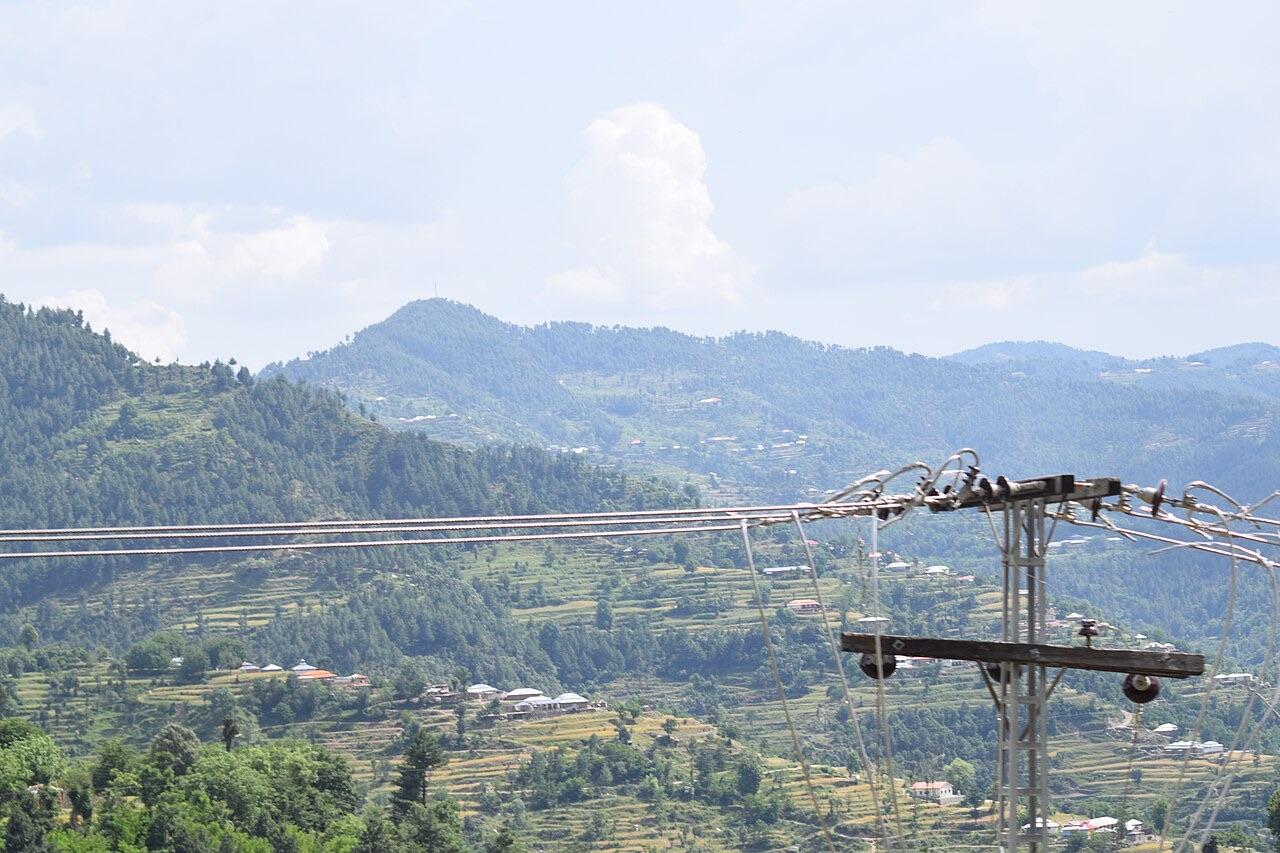
The 1,150-kilometre, 500-kV TAP transmission line is designed to carry 1,200 MW of electricity and, according to Minister Saparov, would ultimately serve more than 300 million people across the region. Turkmenistan has already completed laying the transmission line up to Afghanistan. The remaining stretch — from Afghanistan to Quetta — along with the full feasibility assessment, is yet to be progressed.
Leghari disclosed that seven fundamental technical data sets are required before the TAP project can move forward. Pakistan has provided three; the remaining sets must come from the Turkmen side. He called for an early meeting of technical working groups from both countries to develop a clear roadmap "within a few weeks." Saparov assured the Pakistani side that the required technical data would be shared soon and said he would personally oversee resolution of outstanding TAP matters.
Both sides agreed to maintain regular online and in-person contact between focal persons to complete the feasibility study and push the project toward implementation.
Source: Business Recorder Business
Frequently Asked
Questions about this story
What is the TAP project and how does it connect to Quetta?
The Turkmenistan-Afghanistan-Pakistan (TAP) project is a 1,150-kilometre, 500-kV transmission line with a capacity of 1,200 MW that would carry Turkmen electricity through Afghanistan and terminate in Quetta. Turkmenistan has completed the line up to Afghanistan; the Afghanistan-to-Quetta section and full feasibility assessment are still pending.Will Pakistan's invitation to Turkmenistan change electricity bills for consumers anytime soon?
No. Both the CASA-1000 expansion and the TAP project are still at the feasibility and negotiation stage, so there is no immediate impact on consumer tariffs. Any benefit to the grid — such as additional supply to QESCO in Balochistan — would only materialise after the feasibility study is completed and construction is finished.What is the two-way CASA-1000 proposal that Pakistan has put forward?
Pakistan proposed converting CASA-1000 from a one-way arrangement — where Tajikistan and Kyrgyzstan supply electricity southward — into a two-way system that would allow all participating countries to exchange electricity during periods of surplus or shortage. The aim is to improve the project's financial sustainability and give member countries greater flexibility.