Pakistan's Solar Boom Hits Grid With Rs. 140bn Annual Cost
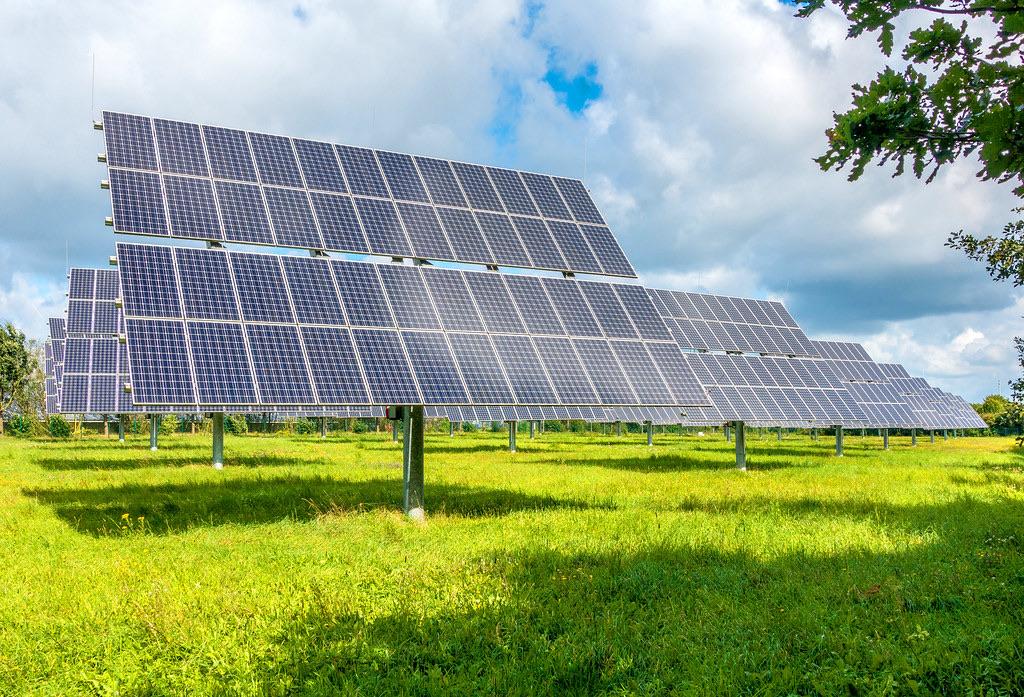
Pakistan's solar energy share rose from 1% to 28% between 2018 and 2025, with seven million households now owning panels. The mass shift away from the national grid is costing remaining consumers more than Rs. 140 billion per year, prompting the government to revise net metering rules.
Pakistan's solar energy share jumped from 1% to 28% of national electricity generation between 2018 and 2025, with seven million households now owning panels — but the mass shift away from the national grid is costing remaining consumers more than $500 million (≈ Rs. 140 billion at current interbank rates) per year, Energy Minister Awais Ahmad Leghari told the BBC on the sidelines of COP31.
A Boom Driven by Survival, Not Government Policy
The solar surge was not planned by Islamabad. Households across Punjab, Sindh, Khyber Pakhtunkhwa, and Balochistan installed panels primarily to escape soaring electricity tariffs and an unreliable grid. Muhammad Hassan Dajana, industry liaison at Renewables First — a Pakistan-based energy think tank — says electricity tariffs have more than doubled in a few years, while the cost of imported Chinese solar panels has fallen by 93%. At that price gap, the choice became straightforward for anyone with the upfront capital.
In rural Punjab, Faisal Shahzad keeps a 340-watt panel — a wedding gift — under his bed and ran his air cooler on it throughout daylight hours all last summer without touching grid power. In a country where the average monthly wage is just under Rs. 40,000, electricity bills climbing to Rs. 15,000–18,000 per month have made solar a necessity rather than a lifestyle choice. "People used to gift motorbikes," Shahzad says. "Now they give a solar panel and an air cooler." Dajana puts it starkly: "People have just found another way to survive."
The trend has spread deep into industry. Kohinoor Textiles Mills in Islamabad now runs its hundreds of machines entirely on solar during daylight hours. The heavy-furnace-oil engines the mills once depended on sit unused in a warehouse, says utilities manager Sabawoon Khan. CEO Taufique Sayeed Saigol says the company plans to add industrial battery storage in the coming weeks, while remaining connected to the grid as a backup for night-time and overcast periods.
The Grid Is Under Financial Pressure
The mass exodus is creating what analysts call a utility death spiral: as customers leave the grid, fewer remain to share fixed maintenance costs, pushing tariffs higher and driving even more people toward solar. The government acknowledges the burden is already real. Leghari puts the annual cost to remaining grid consumers at over $500 million (≈ Rs. 140 billion) in each of the past two years. Dajana warns the end state could be "a white elephant in the form of a state-owned enterprise that requires a lot of public funding just to stay afloat."
The government revised its net metering rules — the policy that allowed solar households and businesses to export surplus electricity to the grid and earn credits — earlier this year. Under the previous model, exporters received credits at the full retail tariff rate. The new rules pay a lower export rate while grid power is still billed at the standard higher tariff. Arif Ehsan Malik, president of the Faisalabad Chamber of Commerce, says the change has significantly weakened the financial case for small and medium businesses considering solar. Leghari defends the revision, arguing that under the old model remaining grid consumers would have faced an additional burden of Rs. 150–200 billion per year within two years.
The minister says the government has renegotiated most contracts with independent power producers (IPPs) — which had been widely criticised inside Pakistan for locking the country into costly, inflexible arrangements — and is now focused on improving grid efficiency through better storage and reduced transmission waste. His headline target: 90% clean power by the end of 2036, spanning both renewables and nuclear, with Pakistan's dependence on imported energy falling from 26% to 4%.
Source: BBC
Frequently Asked
Questions about this story
How much have Pakistan's electricity bills risen compared to what solar panels now cost?
Electricity tariffs have more than doubled in a few years while the cost of imported Chinese solar panels has fallen by 93%, according to Renewables First. Average household bills have climbed to Rs. 15,000–18,000 per month against an average monthly wage of just under Rs. 40,000.What changed about Pakistan's net metering policy in 2025?
The government revised the rules earlier this year so that solar households and businesses now receive a lower rate for electricity they export to the grid, while still paying the standard higher tariff for power they consume from it. Energy Minister Leghari argues the old model would have burdened remaining grid consumers by an extra Rs. 150–200 billion per year within two years.What is Pakistan's clean energy target for 2036?
Energy Minister Awais Ahmad Leghari has set a target of running Pakistan on up to 90% clean power — covering both renewables and nuclear — by the end of 2036, while reducing dependence on imported energy from 26% to 4%.