ISP 2025-35: Pakistan to Add 15,206 MW Renewables
NEPRA has approved the Integrated System Plan 2025-35, targeting 15,206 MW of renewable energy additions to Pakistan's grid by 2035 — around 93% of all planned new capacity. The plan covers net-metered solar, large hydropower and wind, while battery storage has been excluded from the approved base case pending further regulatory assessment.
NEPRA (the National Electric Power Regulatory Authority) has approved the Integrated System Plan (ISP) 2025–35, targeting the addition of 15,206 MW of renewable energy capacity to Pakistan's national grid by 2035 — approximately 93% of the total 16,406 MW in new generation planned over the decade. The plan was submitted as official documentation to the National Assembly Secretariat, as reported by The Nation, Pkrevenue.com, and Independent News Pakistan.
Breakdown of Planned Capacity Additions
The ISP 2025–35 covers 16,406 MW in total new generation capacity. All three reports agree on the following split:
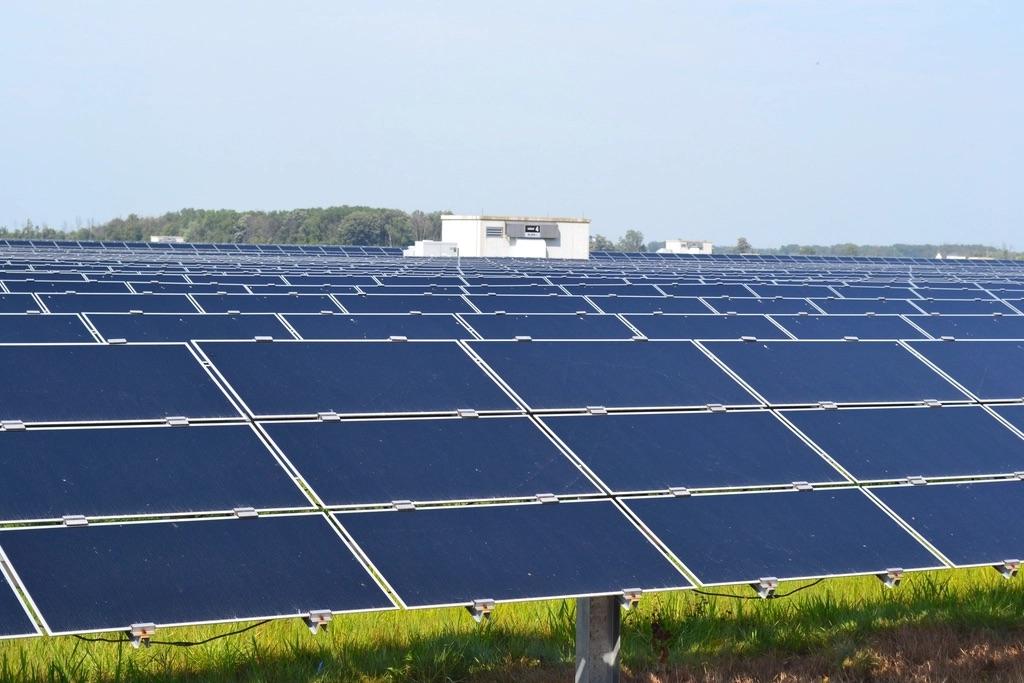
- Net-metered solar PV: 8,120 MW — the single largest component, delivered through distributed rooftop and small-scale installations under net-metering arrangements.
- Hydropower: 4,505 MW — large hydro projects providing clean baseload generation.
- Wind power: 2,581 MW — of which 1,190 MW will be integrated through the NGC (National Grid Company) / NTDC (National Transmission and Despatch Company) network, and 1,391 MW through K-Electric.
- Nuclear: 1,200 MW — the only non-renewable component in the plan, accounting for the remaining 7%.
These additions are expected to raise Pakistan's total installed generation capacity to approximately 62,383 MW by 2035, with renewables and hydropower accounting for more than 60% of the mix. The Nation reported that utility-scale renewable energy, including hydropower, currently accounts for around 35% of installed capacity — a share that rises above 45% when distributed solar connected through net-metering is included.
The planned additions will be guided by the IGCEP (Indicative Generation Capacity Expansion Plan) under a least-cost planning framework. The government's National Electricity Policy 2021 and National Electricity Plan 2023–27 both set a target of 60% renewable capacity share by 2030.
Battery Storage: Assessed but Excluded from Base Case
The ISP 2025–35 also assessed the grid's potential need for BESS (Battery Energy Storage Systems). The plan identified an indicative requirement of 600 MW of battery inverter capacity, backed by approximately 1,500 MWh of storage, at an estimated investment of $900–910 million (≈ Rs. 252–255 billion at current interbank rates).
However, NEPRA has excluded the proposed BESS investment from its approved base case and directed the ISMO (Independent System and Market Operator) to conduct a comprehensive technical and economic assessment before considering its inclusion in future plans.
Smaller storage projects are nonetheless moving forward. The NGC has finalised a pilot 20 MW / 20 MWh battery storage project at the Jhimpir-I grid station at a revised cost of $15.7 million (≈ Rs. 4.4 billion). The ADB (Asian Development Bank) is also associated with proposed BESS projects of 500 MW in southern Pakistan under Phase I and another 500 MW in northern Pakistan under Phase II. Phase I, estimated at $400 million (≈ Rs. 112 billion), is expected to achieve commercial operations in fiscal year 2029–30.
Sources
This article combines reports from 3 outlets:
- Independent News Pakistan: Govt targets 15,206 MW renewable energy capacity by 2035 تازترین
- Pkrevenue.com: Pakistan plans 15,206MW renewable energy expansion by 2035
- The Nation (Pakistan ): Pakistan plans 15,206 MW renewable energy additions by 2035
Source: Independent News Pakistan, Pkrevenue.com, The Nation (Pakistan )
Frequently Asked
Questions about this story
How much renewable energy capacity is Pakistan planning to add by 2035?
Pakistan plans to add 15,206 MW of renewable energy capacity — including 8,120 MW of net-metered solar, 4,505 MW of hydropower, and 2,581 MW of wind — by 2035, under the NEPRA-approved Integrated System Plan 2025-35. This represents about 93% of the 16,406 MW in total new generation capacity planned over the decade.Does the ISP 2025-35 plan include K-Electric consumers in Karachi?
Yes. Of the 2,581 MW of new wind capacity planned, 1,391 MW will be integrated through K-Electric's network, with the remaining 1,190 MW going through the NTDC/NGC national grid.Has NEPRA approved battery storage investment under the ISP 2025-35?
No. Although the ISP assessed a need for 600 MW of battery storage capacity (1,500 MWh) at an estimated cost of $900–910 million, NEPRA has excluded this investment from its approved base case and directed the Independent System and Market Operator (ISMO) to complete a detailed technical and economic assessment first.