Meridian Energy Files 50 MWp Solar Tariff Petition
Meridian Energy Limited, a 50 MWp solar IPP, filed a tariff modification petition with NEPRA on 4 August 2026 seeking to shift its construction period baseline from Financial Close to actual Construction Start Date. The move aims to recover Interest During Construction and Return on Equity During Construction costs lost to a Sindh land-dispute delay.
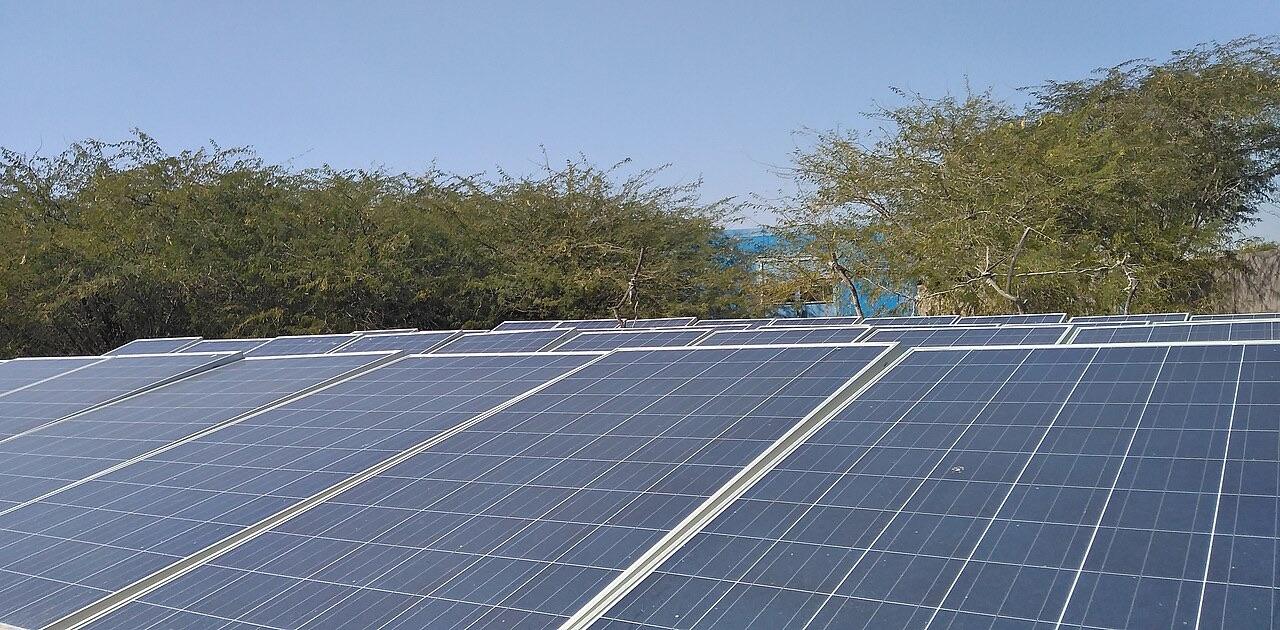
Meridian Energy Limited, a 50-megawatt-peak (MWp) solar independent power producer (IPP) registered in Karachi, filed a Tariff Modification Petition with NEPRA (the National Electric Power Regulatory Authority) on 4 August 2026, asking the regulator to change how the approved construction period in its original tariff determination is measured so the company can recover financing costs that accrued during a Sindh land-dispute delay.
What Meridian Is Asking For
Meridian's original Reference Tariff Determination — issued by NEPRA on 21 February 2020 under reference No. NEPRA/R/TRF-481/HPPL-2019/6076-6078 — set a 10-month construction window measured from Financial Close. The company says the actual Construction Start Date was not achieved until 14 June 2022, significantly after that window had expired. The delay, it argues, was caused by land demarcation disputes, revised project coordinates, and local ownership claims involving the Government of Sindh.
Because no meaningful loan drawdowns took place during the original 10-month window, Meridian contends it cannot recover IDC (Interest During Construction) and ROEDC (Return on Equity During Construction) — both of which were built into the approved tariff. The petition requests that the construction period be measured from the Construction Start Date rather than from Financial Close, bringing the tariff recovery timeline into line with actual project milestones. The petition cites precedents in which NEPRA has previously accepted construction start dates as the reference point in similar cases.
Filing Details and Licence Record
The petition was filed by Jawad Ali, Country Manager and authorised representative of Meridian Energy Limited, with a supporting checklist submitted on 10 August 2026. The company paid a tariff petition filing fee of PKR 747,777. Meridian holds Generation Licence No. SPGL/22/2017, originally issued on 16 August 2017, with one prior licence modification recorded on 23 September 2023 and an expiry date of 29 April 2048. The company's registered office is in Clifton, Karachi; its correspondence address is in Islamabad's G-6/1 sector.
Under the original tariff terms, the project's net annual plant capacity factor baseline is set at 23.27%, with stepped generation tariffs applicable above that threshold. The maximum plant PV capacity is capped at 50 MWp, and the solar resource risk is borne entirely by the power producer. NEPRA published its admission notice for the petition on 17 November 2026; no public hearing date has been announced.
Source: NEPRA
Frequently Asked
Questions about this story
What is Meridian Energy asking NEPRA to change in its tariff?
Meridian Energy is asking NEPRA to measure its approved 10-month construction period from the actual Construction Start Date of 14 June 2022, rather than from Financial Close. This would allow the company to recover Interest During Construction (IDC) and Return on Equity During Construction (ROEDC) that it says it cannot claim under the current tariff determination.Why was Meridian Energy's solar project construction delayed?
The company states that construction was significantly delayed due to land demarcation disputes, revised project coordinates, and local ownership claims involving the Government of Sindh, pushing the Construction Start Date to 14 June 2022 — well after the original 10-month construction window from Financial Close had expired.Will this petition increase electricity bills for Pakistani consumers?
Not immediately. The petition is a regulatory filing and NEPRA has not yet scheduled a hearing or issued a decision. If the modification is eventually approved, any cost impact would flow through the power purchaser's capacity payments into the national tariff base, but no direct per-unit change to consumer bills has been proposed at this stage.