Sindh Pushes Thar Coal Investment: 3,300 MW and Beyond
Sindh Chief Minister Murad Ali Shah has called for fresh investment in the province's mineral sector, led by Thar's 175 billion-tonne coalfield and two CPEC projects generating a combined 3,300 megawatts. The government is prioritising local mineral processing over raw exports, and reviewing a Thar rail link to move coal to industrial centres across Pakistan.
Sindh Chief Minister Syed Murad Ali Shah has called for fresh domestic and international investment in the province's mineral sector, anchoring his case on the Thar coalfield's estimated reserves of 175 billion tonnes and two CPEC-era projects already delivering a combined 3,300 megawatts of coal-fired power. Presiding over a high-level review at the CM House, the Chief Minister directed relevant authorities to streamline investor facilitation, stressed local processing over raw mineral exports, and reiterated that mineral development must meet strict environmental and community standards. The meeting was briefed by Mines and Minerals Minister Syed Sardar Shah. This article draws on reporting published in the 16–30 November 2026 print issue of Engineering Review, used with the publisher's permission.
Thar Coal: Reserves, CPEC Projects and New Opportunities
The ministerial briefing put the scale of the Thar deposit into context: beyond the 175 billion-tonne coal estimate, the field holds an energy equivalent of 50 billion tonnes of oil equivalent (TOE) and coal-related gas-equivalent resources of approximately 2,000 trillion cubic feet (TCF).
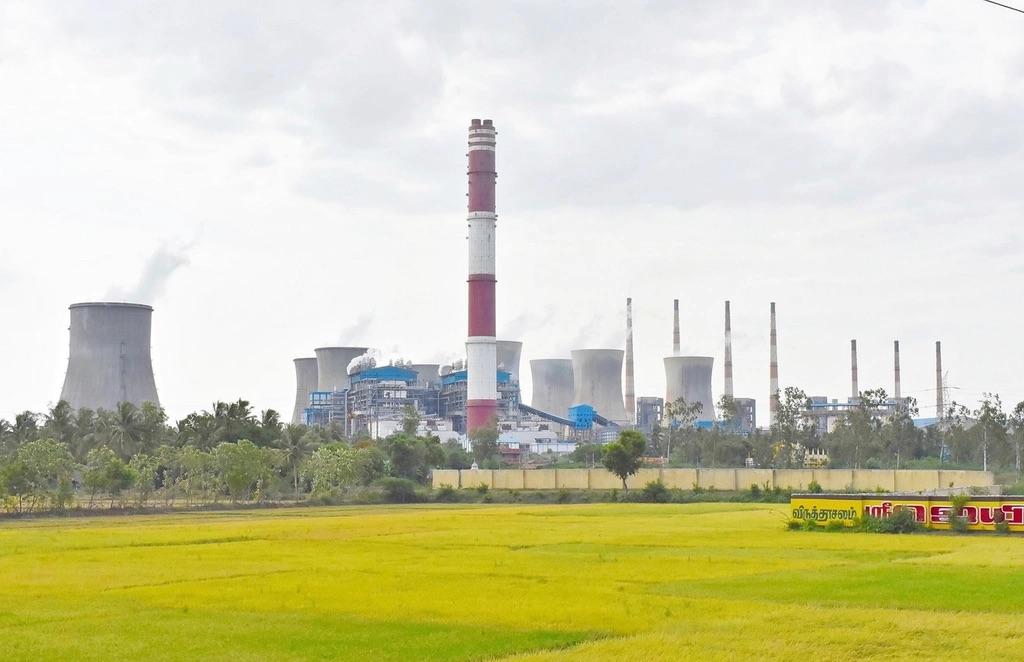
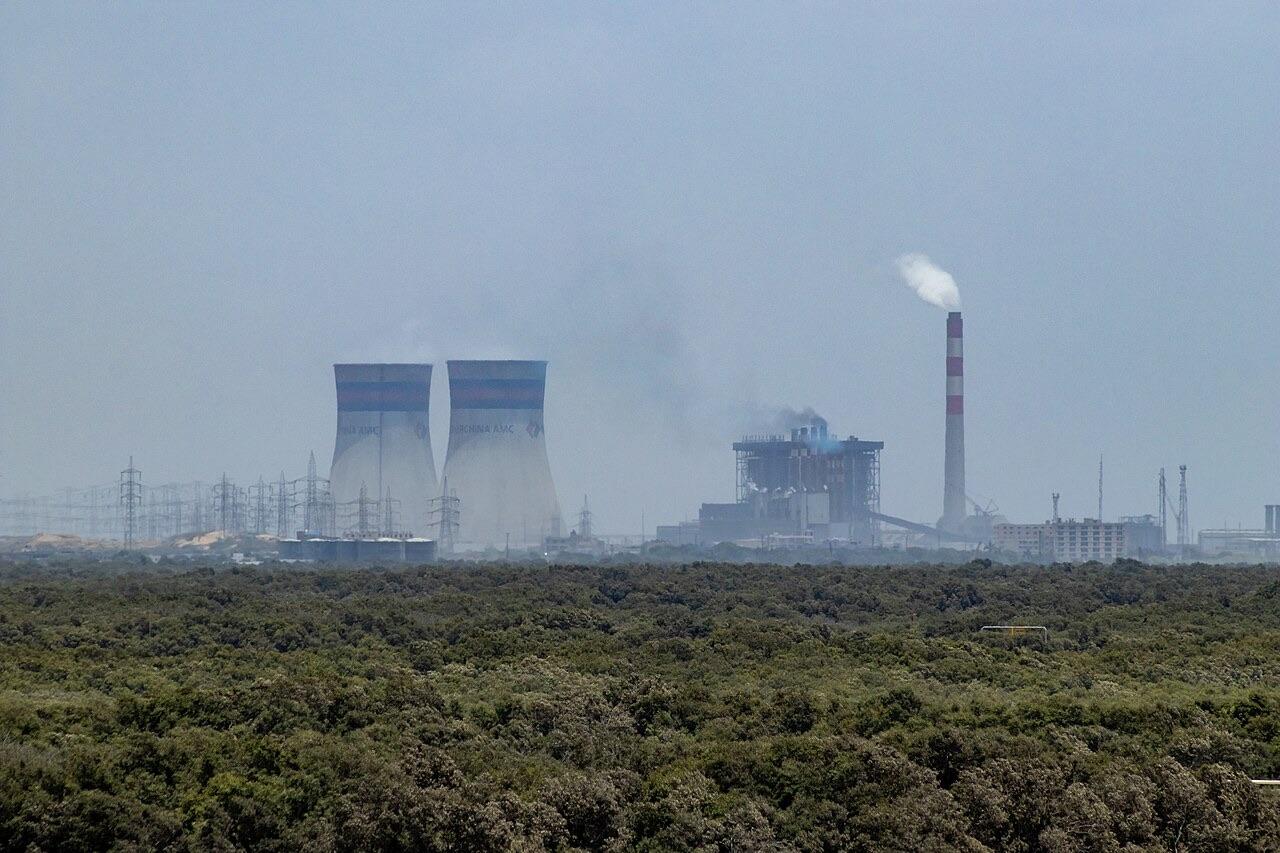
Two major projects, both developed under the China-Pakistan Economic Corridor (CPEC) early harvest programme, are already in operation:
- Sindh Engro Coal Mining Company (SECMC) — a public-private partnership with an annual mining capacity of 11.2 million tonnes and power generation capacity of 1,980 MW. The Sindh government holds a 54.7% stake, backed by Rs. 12.9 billion in provincial equity; Engro and its associates hold the remaining 45.3%.
- Sino-Sindh Resources Limited (SSRL) — backed by Chinese investment exceeding $2.6 billion. Annual mining capacity: 7.8 million tonnes; power generation capacity: 1,320 MW.
Both projects are credited with reducing Pakistan's dependence on imported coal and saving foreign exchange. The Chief Minister also reviewed proposals for coal briquetting and coal-to-urea production as alternative industrial uses that could support agricultural inputs and further reduce import costs. A proposed Thar Rail Connectivity Project — a joint venture between the federal and Sindh governments — was discussed as a means of moving coal more efficiently from Thar to industrial centres across Pakistan. Twelve blocks have been developed following detailed drilling, and geological and exploration data are available to prospective investors.
Non-Coal Minerals: Granite, Iron Ore, Limestone and More
The Mines and Minerals Department identified several commercially significant non-coal deposits, with the government prioritising local processing over the export of raw materials:
- Granite in Nagarparkar, Tharparkar — for dimension stone, decorative products and cutting and polishing industries
- Iron ore in Thatta, Jamshoro and Tharparkar — with potential for beneficiation and steel-related industries
- Marble in Thatta and Jamshoro — for finished stone products
- Limestone across Khairpur, Dadu, Jamshoro, Sukkur, Hyderabad, Thatta and Karachi — raw material for cement manufacturing and construction
- Celestine in Jamshoro, China clay in Tharparkar, silica sand in Jamshoro and Thatta, and lake salt in Dadu, Sanghar and Tharparkar
Murad Ali Shah directed relevant departments to facilitate investors interested in these sectors and to ensure transparent regulations, competitive terms and efficient administrative processes.
Community Impact and Environmental Commitments
The meeting reviewed social and environmental initiatives tied to the Thar projects. Under Block-I, approximately 5,000 jobs have been created — with nearly 97% of the workforce drawn from Sindh — and cumulative direct local employment during project development has exceeded 20,000. Community infrastructure includes a 250-bed hospital in Islamkot, reverse osmosis (RO) plants and technical training programmes. Under Block-II (SECMC-related operations), approximately 2,350 local employees are engaged, 94% from Sindh and 60% from Thar itself, supported by seven medical facilities and 33 RO plants. Environmental programmes include the planting of more than 1.3 million trees under the Thar Million Tree Programme, alongside water treatment and reuse, biodiversity conservation and progressive land rehabilitation.
Source: Engineering Review, 16–30 Nov 2026 (print), pp. 10, 13
Frequently Asked
Questions about this story
How large are the coal reserves at Thar in Sindh?
The Thar coalfield contains estimated reserves of 175 billion tonnes, with an energy equivalent of 50 billion tonnes of oil equivalent (TOE) and coal-related gas-equivalent resources of approximately 2,000 trillion cubic feet (TCF), according to the Sindh Mines and Minerals Department briefing.How much electricity do the Thar CPEC coal projects currently generate?
The two CPEC early harvest projects at Thar — SECMC (1,980 MW) and SSRL (1,320 MW) — together have a combined power generation capacity of 3,300 megawatts, alongside a combined annual coal mining capacity of 19 million tonnes.What stake does the Sindh government hold in the Thar coal mining company?
The Sindh government holds a 54.7% stake in Sindh Engro Coal Mining Company (SECMC) and has invested Rs. 12.9 billion in equity. Engro and its associates own the remaining 45.3%.