ECNEC Approves 40.8 MW Hydro and 100 MW Solar Projects
ECNEC approved 11 development projects on 14 November 2026, including a 40.8 MW hydropower plant in Lower Dir and 100 MW of distributed solar in Gilgit-Baltistan. The session also cleared a reactive power compensation programme for the national transmission grid and multiple Balochistan infrastructure schemes.
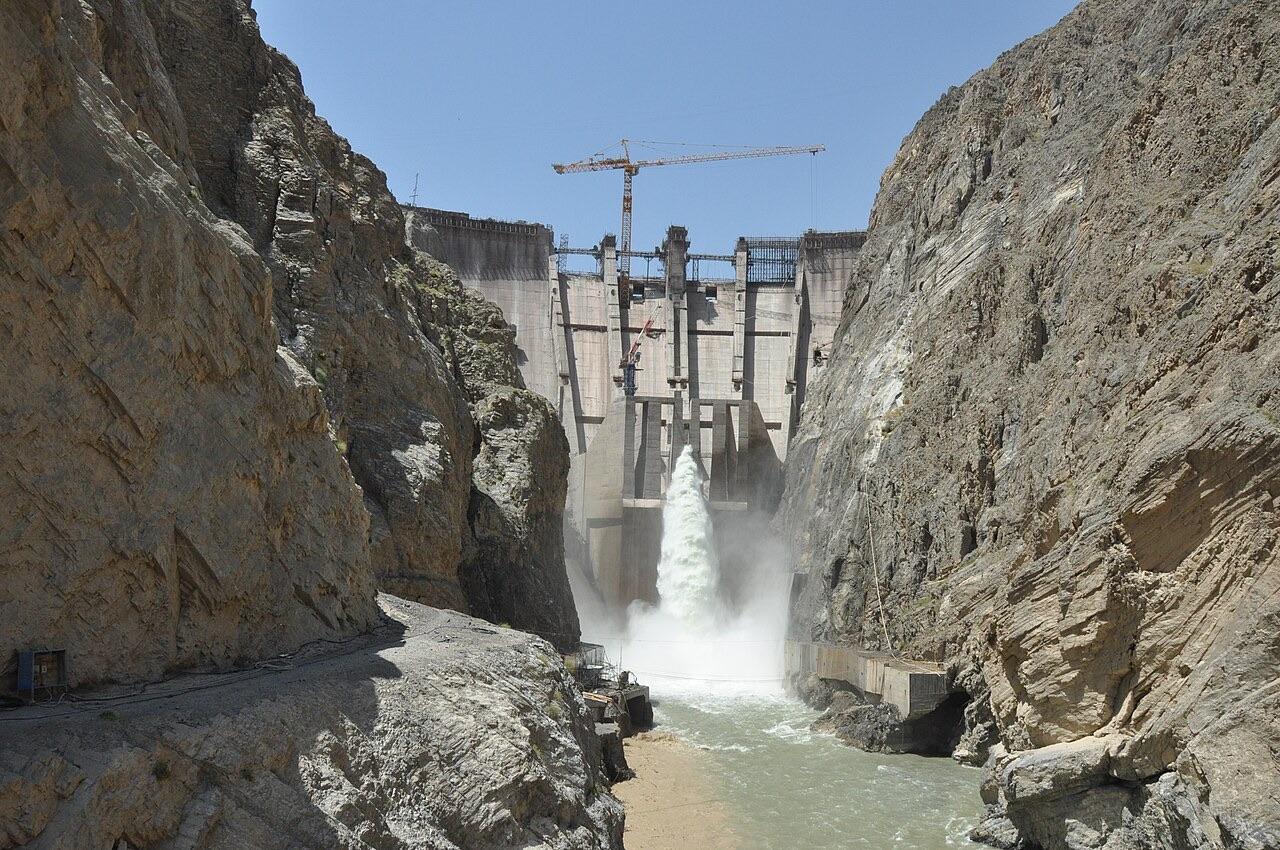
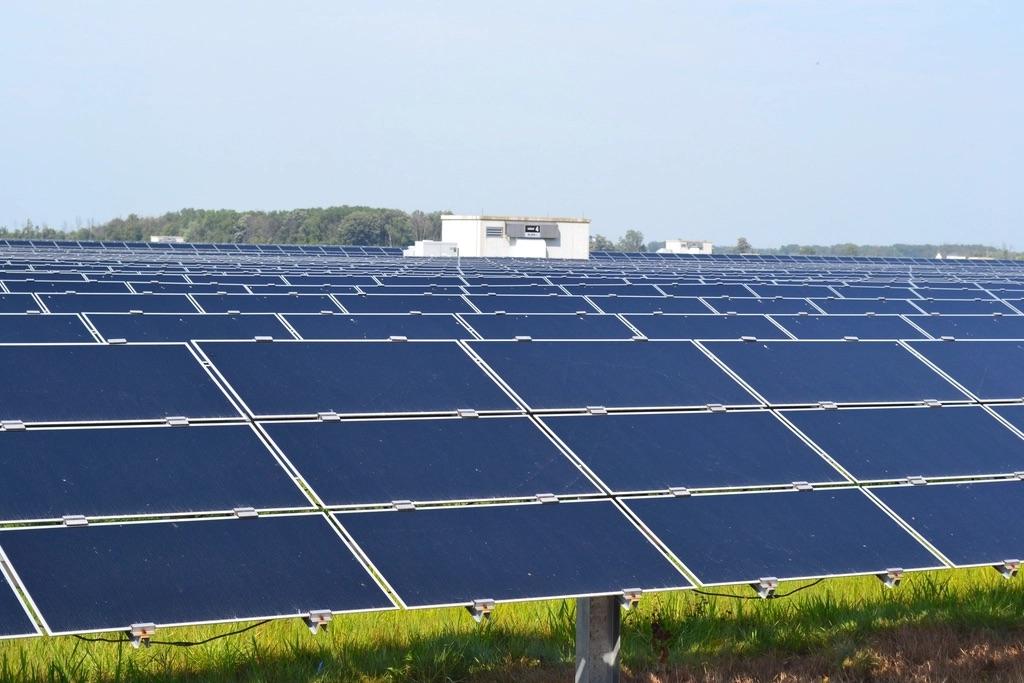
ECNEC (the Executive Committee of the National Economic Council) on 14 November 2026 approved 11 development projects in a single session, including a 40.8-megawatt Koto Hydropower Project in Lower Dir, Khyber Pakhtunkhwa, 100 MW of distributed solar photovoltaic plants in Gilgit-Baltistan, and a nationwide grid voltage-stabilisation programme. Deputy Prime Minister and Foreign Minister Senator Mohammad Ishaq Dar chaired the meeting and directed all project authorities to maintain financial discipline and prevent cost overruns.
Energy and Transmission Projects
The Koto Hydropower Project in Lower Dir, KPK, will add 40.8 MW to Pakistan's hydropower generation capacity. Lower Dir sits in a river-rich corridor of Khyber Pakhtunkhwa, making it a viable site for run-of-river or storage-based generation, though the source does not specify the project type or cost.
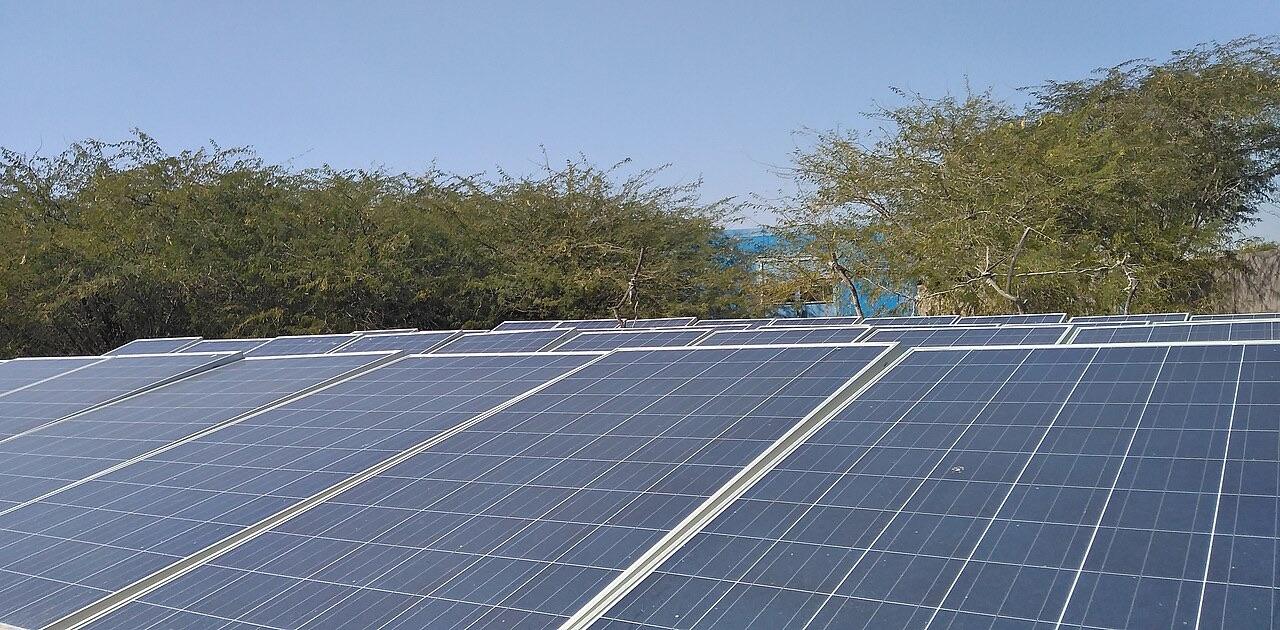
In Gilgit-Baltistan, ECNEC approved the development of 100 MW of distributed solar photovoltaic plants. The distributed model spreads generation across multiple sites rather than concentrating it in a single utility-scale farm, which can help serve remote GB communities that are poorly connected to the national grid.
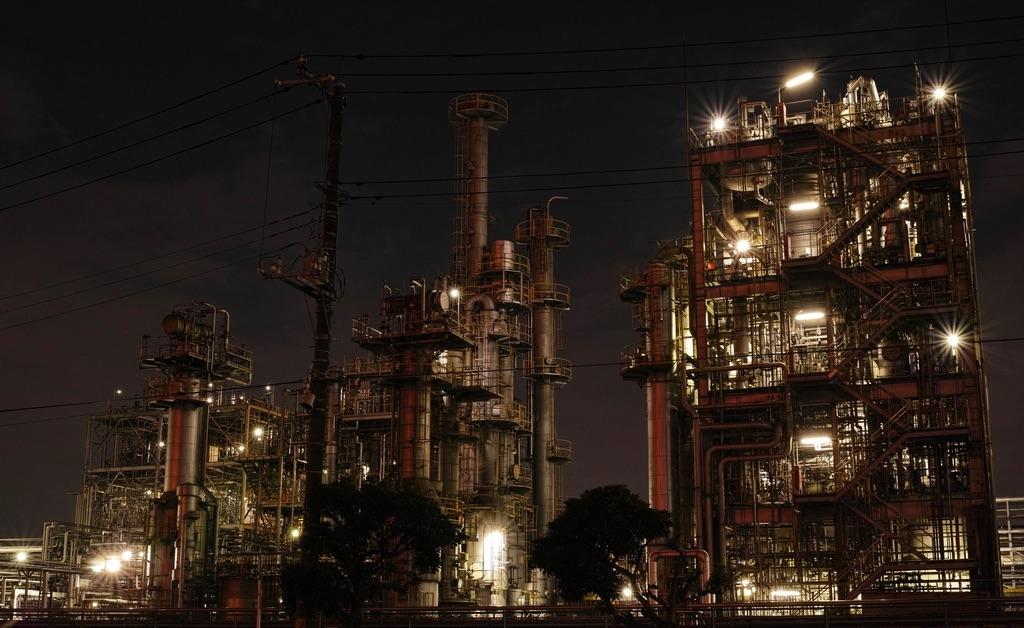
On the transmission side, the committee cleared the installation of reactive power compensation devices across the National Grid Company (NGC) network. Reactive power compensation corrects voltage instability — a persistent technical problem on Pakistan's high-voltage lines that causes localised dips, equipment damage, and line losses. Improving voltage regulation directly supports grid reliability for all distribution companies (DISCOs) drawing power from the NGC network.
Balochistan and Other Infrastructure Approvals
Balochistan received the largest share of non-energy approvals. ECNEC cleared:
- Rehabilitation and remodelling of the Lasbela Canal
- A water supply scheme for Gwadar drawing from Mirani Dam
- Construction of the Buleda–Proom and Proom–Chedgai roads
The Gwadar water supply project is particularly significant given the port city's chronic freshwater shortages, which have repeatedly disrupted industrial and residential life there.
Beyond Balochistan, ECNEC also approved the Dirgi–Shahbozai–Taunsa Sharif road to improve regional connectivity in southern Punjab, the Punjab Urban Land Systems Enhancement (PULSE) Project, construction of the King Salman bin Abdulaziz Al Saud Hospital in Islamabad, and a purpose-built laboratory for the National Forensic Agency.
Senator Ishaq Dar directed the concerned authorities across all 11 projects to ensure timely completion and avoid the cost escalations that have historically inflated Pakistan's public-sector development portfolio.
Source: EnggPost
Frequently Asked
Questions about this story
Where will the 100 MW solar plants approved by ECNEC be built?
The 100 MW of distributed solar photovoltaic plants will be developed in Gilgit-Baltistan, spreading generation across multiple sites to serve communities that have limited access to the national grid.What is the Koto Hydropower Project and which province does it serve?
The Koto Hydropower Project is a 40.8 MW hydropower scheme located in Lower Dir, Khyber Pakhtunkhwa. It was approved by ECNEC on 14 November 2026 to increase the country's hydropower generation capacity.How will the reactive power compensation devices on the national grid benefit electricity consumers?
The reactive power compensation devices will improve voltage regulation and reduce technical losses on the NGC transmission network, which can enhance supply reliability for all distribution companies — and all their customers — connected to the national grid.