WAPDA Awards Rs. 133 Billion Hydro-Mechanical Contract for Diamer-Bhasha Dam
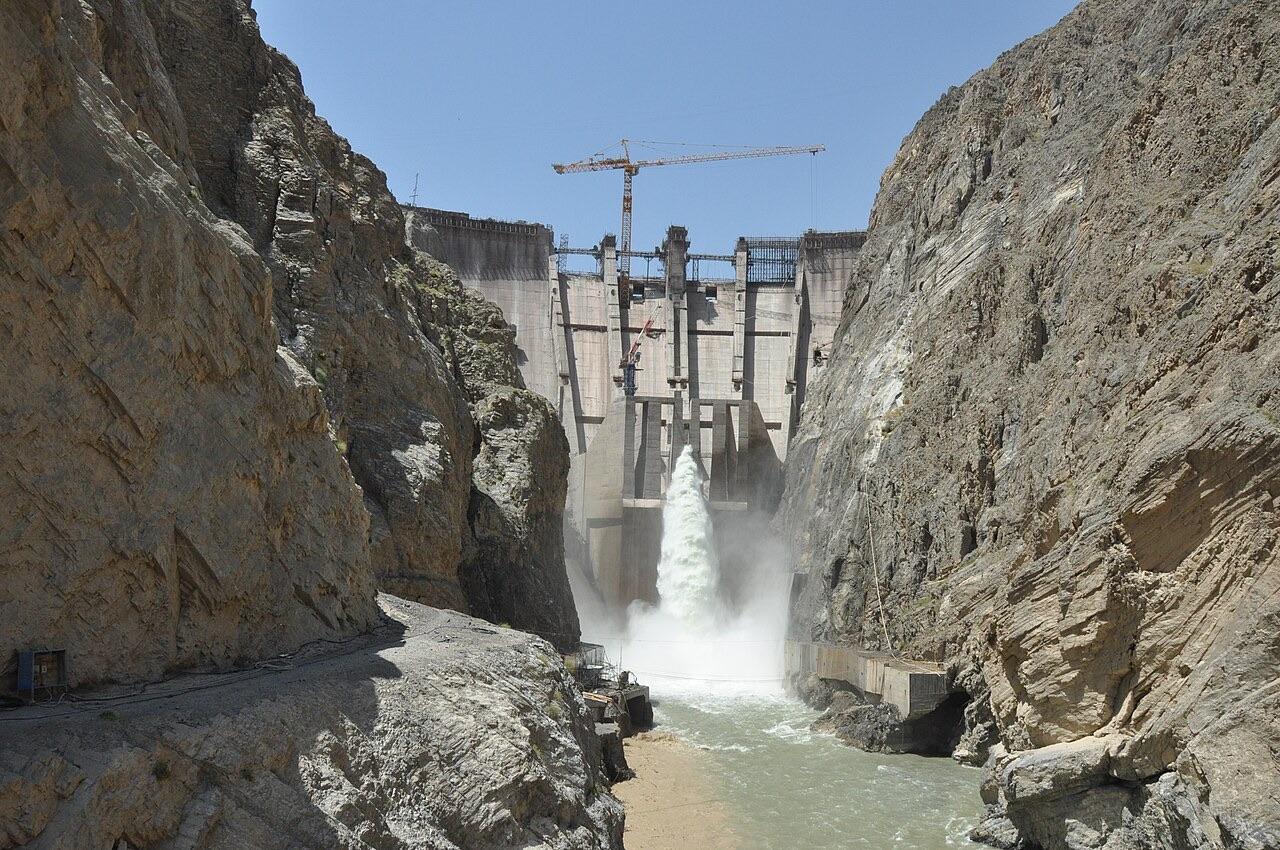
WAPDA has awarded a Rs. 133.18 billion hydro-mechanical works contract for the Diamer-Bhasha Dam, marking a major construction milestone for Pakistan's largest planned hydropower project. The dam is designed to generate 4,500 MW on the Indus River and could structurally reduce fuel cost pressures on consumer electricity bills once operational.
Pakistan's Water and Power Development Authority (WAPDA) has awarded a Rs. 133.18 billion hydro-mechanical works contract for the Diamer-Bhasha Dam project, representing one of the largest single procurement milestones in the dam's construction history and a clear signal that this multi-decade infrastructure effort is advancing through its critical engineering phases.
What a Hydro-Mechanical Contract Actually Means
Hydro-mechanical works form the operational core of any large dam. The scope covers steel intake gates, penstocks, control valves, radial gates, and powerhouse equipment that physically manage water flow from the reservoir into the turbines that generate electricity. At the scale of Diamer-Bhasha — designed to produce 4,500 megawatts (MW) at full capacity — this equipment must meet project-specific engineering tolerances and withstand the enormous hydraulic pressures of one of the world's highest roller-compacted concrete dams.
Awarding a contract of this magnitude signals that upstream civil works — the dam body, diversion tunnels, and excavation — have reached a stage of readiness that justifies committing to the mechanical and structural steel integration phase. It is not the final procurement step, but it is an irreversible one.
Diamer-Bhasha Dam: Scale and Strategic Importance
Diamer-Bhasha Dam sits on the Indus River on the boundary between Khyber Pakhtunkhwa and Gilgit-Baltistan, at an elevation where the river descends sharply — ideal conditions for high-head hydroelectric generation. When completed, the project is expected to:
- Generate 4,500 MW of hydroelectric power, adding roughly 45% to Pakistan's current installed hydro capacity
- Store approximately 8.1 million acre-feet (MAF) of water, providing a major buffer for downstream irrigation and drinking water supply
- Produce electricity at substantially lower variable cost than oil- or gas-fired generation, with no ongoing fuel imports required
- Slow the sedimentation rate affecting the downstream Tarbela Dam reservoir, extending Tarbela's effective operational life
Financing and Project Timeline
Securing finance for Diamer-Bhasha has historically been the project's most persistent obstacle. After years of unsuccessful negotiations to attract international development finance on acceptable terms, Pakistan proceeded with a domestic financing structure combining WAPDA's internal resources, federal budget allocations, and commercial bank lending. The award of this Rs. 133.18 billion contract suggests that funding commitments have held and that construction is progressing against its current schedule.
Earlier WAPDA projections targeted first power generation in the early-to-mid 2030s. No revised operational date was announced alongside this contract award. The timeline remains subject to both financing continuity and the pace of procurement execution across remaining work packages.
Source: Engineering Review
Frequently Asked
Questions about this story
What is the value of the hydro-mechanical contract awarded for Diamer-Bhasha Dam?
WAPDA has awarded the hydro-mechanical works contract for Diamer-Bhasha Dam at Rs. 133.18 billion. This covers the steel gates, penstocks, control valves, and powerhouse equipment that will regulate water flow and electricity generation at the dam.How much electricity will Diamer-Bhasha Dam generate when it is complete?
Diamer-Bhasha Dam is designed to generate 4,500 megawatts (MW) of hydroelectric power at full capacity. This would increase Pakistan's installed hydro generation base by approximately 45% over current levels.When will Diamer-Bhasha Dam be finished and start supplying electricity to the grid?
Earlier WAPDA projections targeted first power generation in the early-to-mid 2030s. No revised completion date was confirmed alongside this contract announcement, and the schedule remains dependent on financing continuity and construction progress across remaining work packages.Will Diamer-Bhasha Dam eventually reduce electricity bills for ordinary Pakistani households?
In the long term, yes. Hydro power has no fuel cost, so adding 4,500 MW of cheap generation to the national grid could reduce the monthly fuel cost adjustments (FCAs) that NEPRA passes through to consumer bills. However, the dam is several years from completion and will not affect near-term tariffs.Does the Diamer-Bhasha Dam project benefit K-Electric customers in Karachi?
K-Electric manages its own generation and distribution network in Karachi but purchases power from the national grid to cover shortfalls. Once Diamer-Bhasha is operational, its low-cost hydro output could ease system-wide generation costs, potentially reducing grid purchase prices and benefiting K-Electric customers alongside consumers served by WAPDA-linked distribution companies.